Lessons & learning
Choosing a tennis coach as an adult: what two very different coaches taught me
My first method for choosing tennis lessons was quite sophisticated: who was nearby, and who was available when I was?
In those early months, I took lessons with the hitting partners and coaches whose locations and schedules worked with mine. I wanted to learn to play properly. I had already bought a Nadal-inspired racquet, but the forehand had declined to arrive as part of the package.
Two coaches stood out. They came from very different tennis backgrounds, and each helped me with something I needed.
First, someone had to rebuild the swing
The first was a former professional player. He took my basic technique back to the beginning, teaching me the forehand and backhand motions step by step.
It turned out that swinging a racquet intuitively, with a couple of pints in me, had not provided quite the technical foundation I had hoped for.
He hand-fed balls to me for an hour. Afterwards, he told me to repeat the movements in front of a mirror every day.
What stood out was how he taught the basics. His experience was apparent in the way he broke the strokes down and worked through them with me. At that stage, I needed someone to start from scratch rather than assume that my enthusiasm came with usable technique.
His playing background gave me confidence. The lesson itself showed me what he could help me learn.
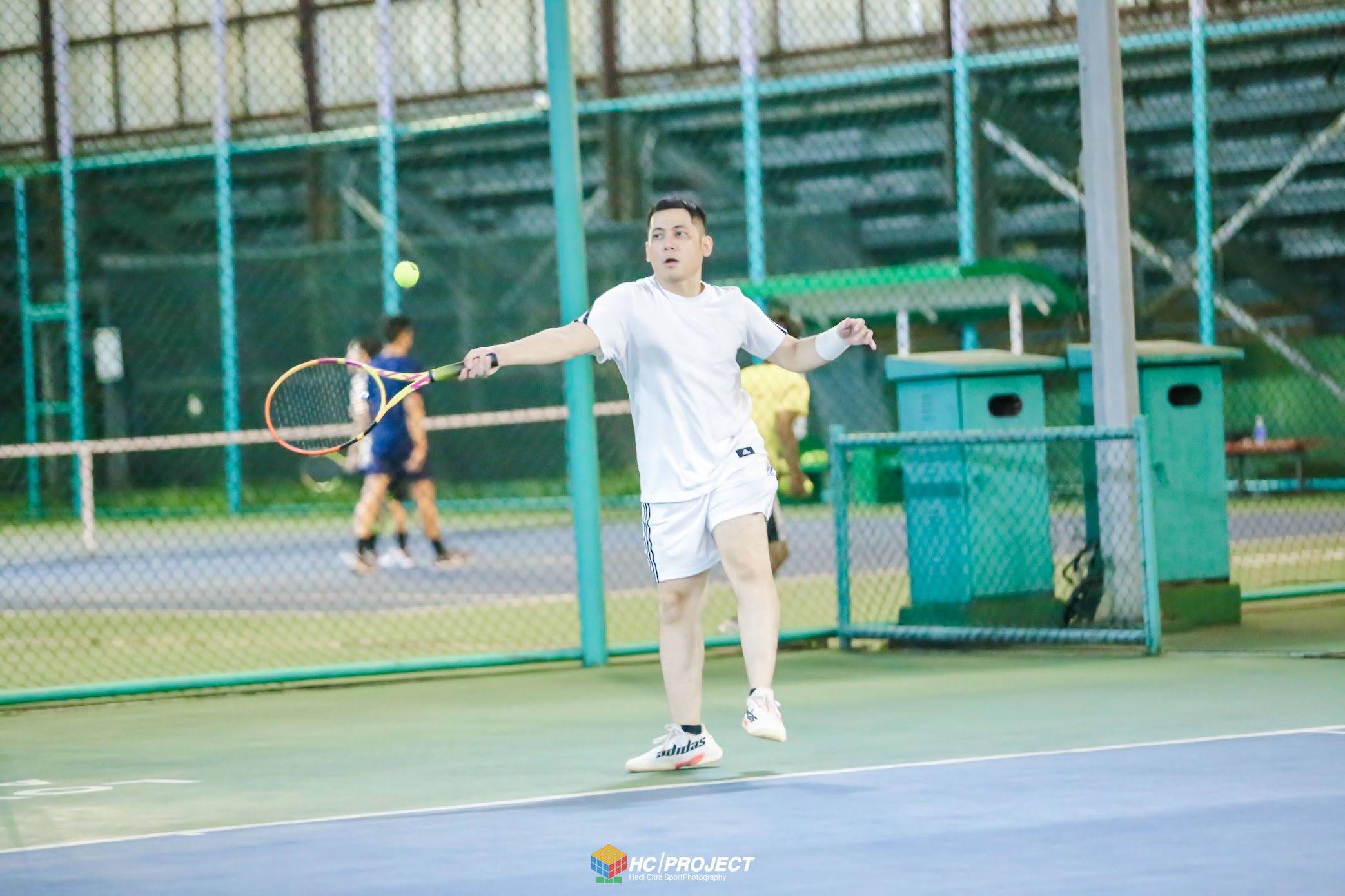
Photo: HC | Project (@hcproject21). Used with permission; watermark retained.
Then, someone helped me read the point
As my game improved, I met another coach. He had never been a junior player, let alone a professional. Coaching had been more of a side gig for him before the pandemic, then became more of his main work.
His love of tennis was obvious. We communicated well and talked about all things tennis. He was a fan of the Big Three, including Nadal, so we certainly had enough conversation material.
But the important part was what happened on court. He began to recognise a style of play that suited my quite limited skills, and helped me develop it.
He was the first person to teach me to distinguish between defending, keeping a steady rally going, and taking an opportunity to approach the net and volley. I was learning to think about what the point called for, alongside how to hit the ball.
The racquet still required operating instructions. Now there was also a question of when to press which button.
Different backgrounds, useful lessons
One coach helped me build the basic motions. The other helped me understand the choices available during a point.
I wouldn’t turn that experience into a rule about former pros, or about coaches who came to the sport through a different route. These were two people whose teaching worked for me at particular stages of my game.
With the first, I valued the patient, detailed work on technique. With the second, communication and an understanding of what I could actually do helped bring tactics into the picture.
Being able to talk tennis comfortably mattered. So did having something useful to take from the conversation onto court.
What I would ask when choosing a coach now
Location and availability would still matter. A lesson I can’t get to is unlikely to improve my backhand.
But my experience has given me more to ask about than the next free time slot:
- What do you think I need to work on first? I’d want to hear how the coach understands my current game.
- How would you explain and teach that? Breaking down a movement was especially useful to me as a beginner.
- Can we work on decisions as well as strokes? Learning when to defend or come forward became an important part of my lessons.
- What should I work on between sessions? I’d want instructions I understand and can realistically follow.
- Can we communicate comfortably? I found it valuable to be able to discuss the game with my coach.
These are questions I would bring to the process now, rather than a checklist I can claim to have followed from the beginning. I would also clarify the costs, court arrangements and cancellation terms before committing.
A resemblance best enjoyed in a still photograph
After plenty of lessons and practice, I can now be compared with Djokovic. Provided we use a still photograph and ask no follow-up questions.
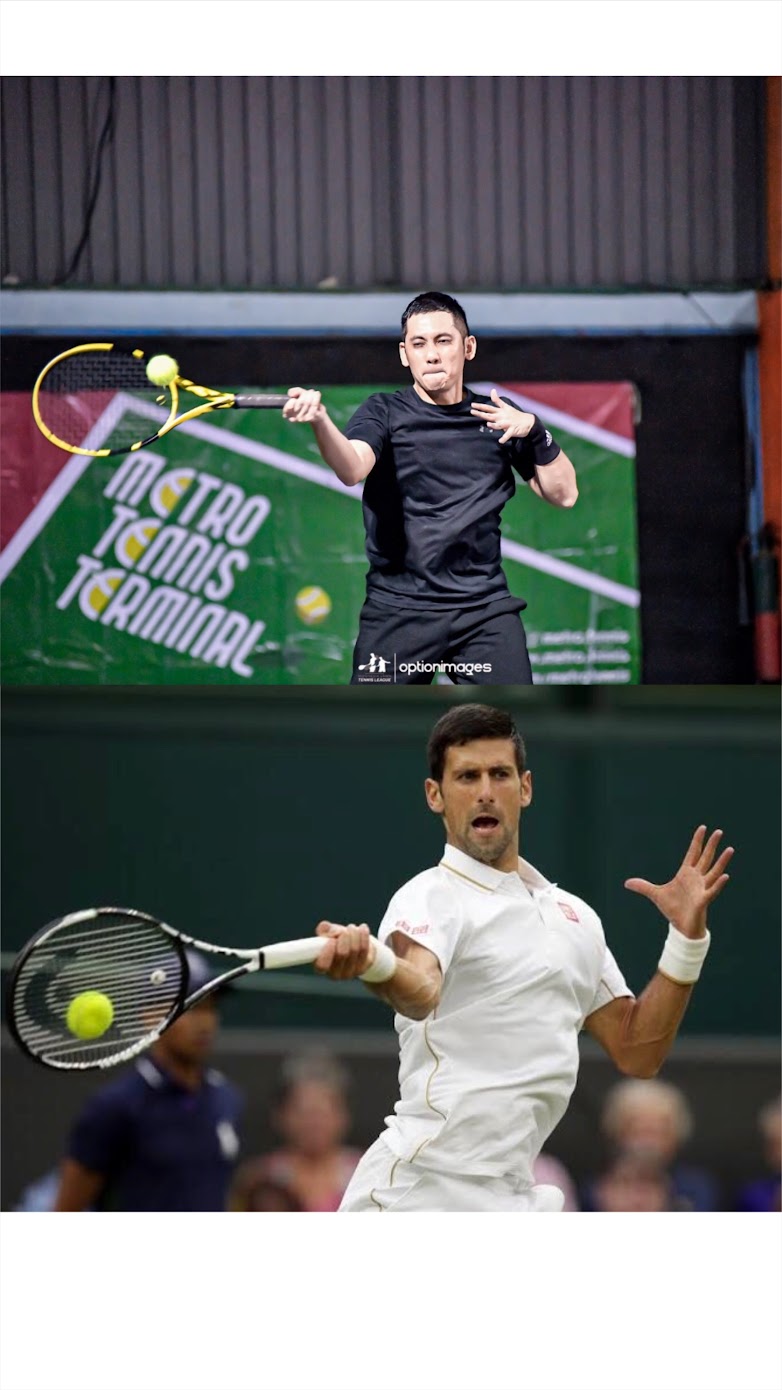
Photo: Option Images (@optionimages). Used with permission; watermark retained. Display cropped from the supplied collage.
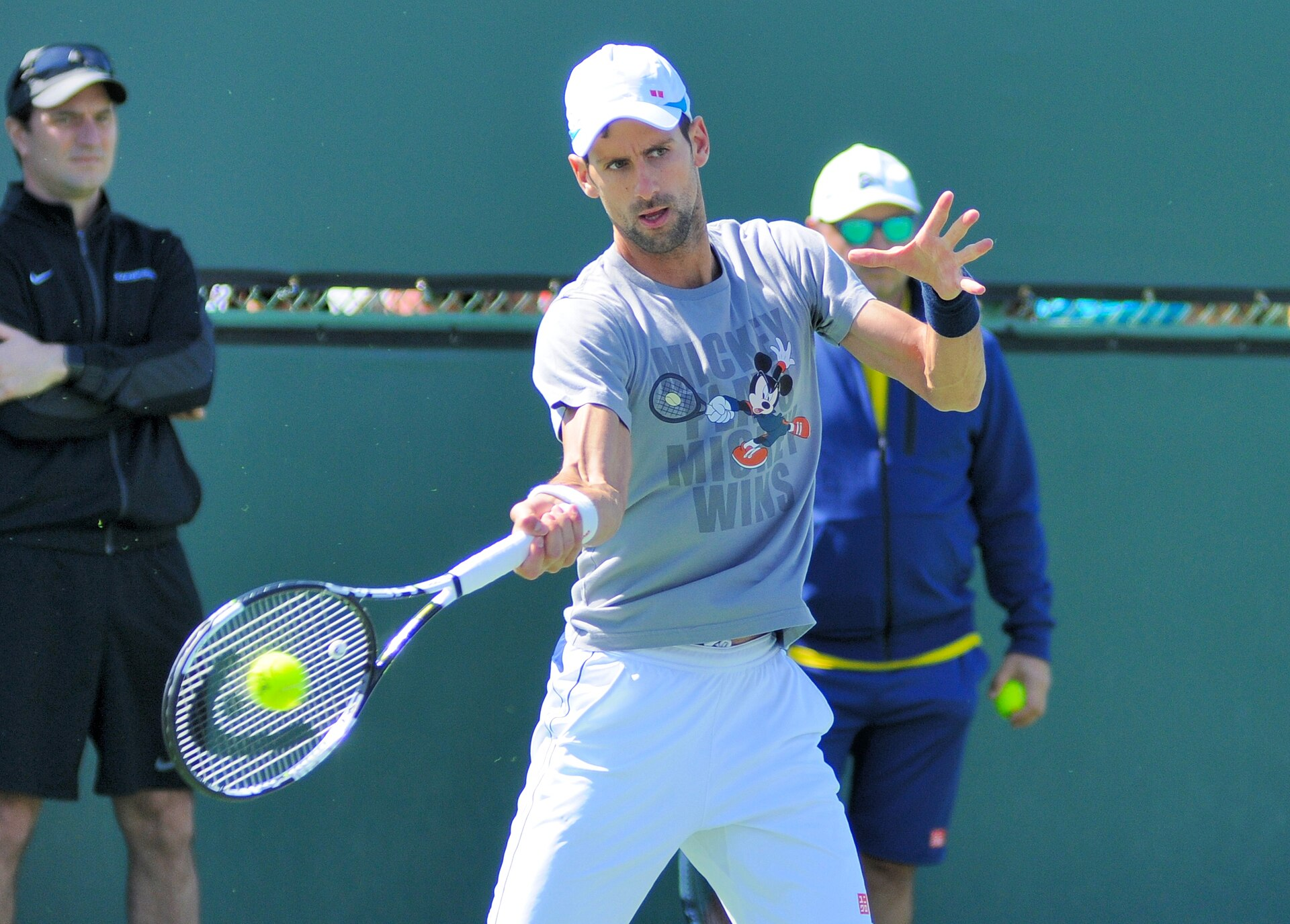
Photo: Christian Mesiano, CC BY-SA 2.0, via Wikimedia Commons. Displayed at reduced size. No endorsement implied.
.jpg)
The lesson has to meet the player
I’m an adult recreational player with ambitions that occasionally get ahead of the tennis. I’ve needed help with both the mechanics of my strokes and the decisions I make with them.
Those two coaches gave me different kinds of help. That is what I would look for again: someone who understands where my game is, can explain what we’re working on, and helps me take the next step.
Ideally, a step towards the right ball at the right time. We’re still working on the consistency of that part.
Read how my tennis journey began, from watching Nadal to lessons and recreational competition.